Ask an agent for the median home price on Santa Cruz's North Coast and you'll get a number. Ask what that number actually tells you about buying a house in Davenport, and the honest answer is: not much. The real story about this coastline isn't the price tag. It's what happens after the offer is accepted, when the well report, the septic inspection, and the insurance quote all land on the same desk within a week of each other.
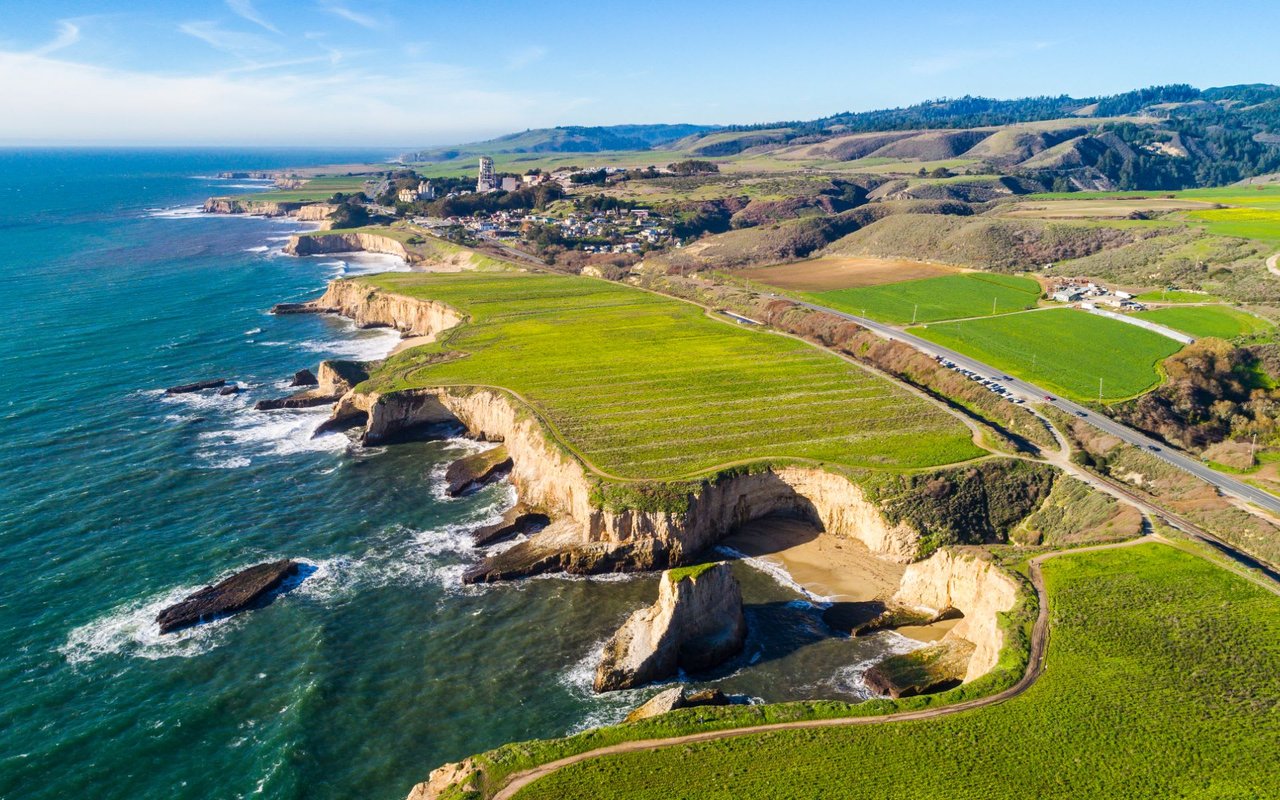
Davenport is a town of roughly 100 homes strung along Highway 1, and at any given moment only five or six of them are for sale. That's not a market in the way Rio Del Mar or Seascape are markets, where enough transactions happen each year to smooth out the noise. It's a market where one estate sale or one teardown listing can swing the median by six figures, simply because there's nothing else in the sample to balance it. Recent trailing twelve-month figures put the median sale price around $1.225 million, down roughly 13 percent from the prior year, with homes sitting on the market for about 84 days compared to a national average closer to 56. Read that as a trend and you'd think the North Coast is cooling. Read it as five or six data points and you'd be closer to the truth: it's a coin flip decided by whichever handful of houses happened to close.
That's the first thing worth knowing before you get attached to a number from a portal search. The second is more useful, because it applies regardless of what the median happens to say this quarter.
The Utilities Line Nobody Puts in the Listing Photos
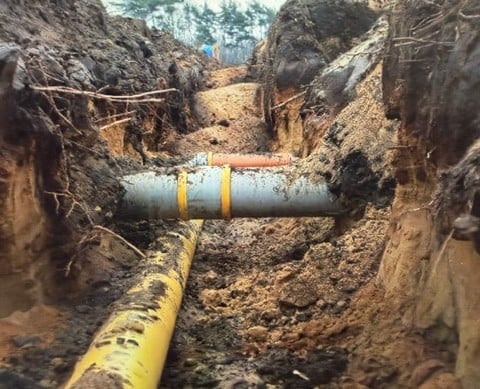
Davenport is unincorporated. Santa Cruz County provides the municipal services here, which in practice means there's no city water district and no city sewer hookup waiting for you the way there might be in Aptos Village or downtown Capitola. Most properties run on private wells and septic systems. Some sit on private roads maintained through informal cost-sharing arrangements with neighbors rather than a public works department, arrangements that can run a few hundred dollars a year and are worth reading closely before you're the one splitting a repaving bill three ways.
None of this makes a Davenport property a bad buy. It makes it a different kind of due diligence. A well's yield and a septic system's age and capacity aren't cosmetic details you skim past during a walkthrough. They're the line items that determine whether your monthly costs look like a coastal home or like a small utility company you now operate. Buyers moving up from Silicon Valley subdivisions with public water on tap are sometimes surprised the first time they hear the word "leachfield" used in a serious sentence. On the North Coast, get used to it early.
The Conversation That Starts Before Escrow
The other line item that rarely shows up next to the photos is insurance, and on this stretch of coast it deserves as much attention as the price per square foot.
Santa Cruz County's mountain and North Coast communities have been through a rough few years on this front. Insurers have collectively paid roughly $1 billion toward FAIR Plan overruns statewide, costs that get passed back to policyholders through new assessments. Locally, proposed FAIR Plan rate increases for the county's fire-prone communities have run as high as 50 percent, and at least one Boulder Creek-area homeowner rebuilding after the CZU fire saw a quote rise more than 600 percent, with a proposed premium pushing past $20,000 a year. Santa Cruz County has since been designated a Fire Risk Reduction Community, a status that can unlock mitigation discounts for homeowners who qualify, which is worth asking about directly rather than assuming it doesn't apply to your address.
Davenport isn't Boulder Creek. It sits on the coast rather than tucked into redwood canyon, and its risk profile is its own. But the underlying mechanism is the same one buyers need to understand anywhere in this county: two homes a few miles apart can carry entirely different insurance realities depending on fire hazard mapping, proximity to open space, and construction age. Get a real quote before you're deep into escrow, not after.
The Plant That Could Redraw the Town
While buyers are running the well-and-insurance math, something larger is quietly in motion that could reshape Davenport's character over the next several years.
The Cemex cement plant that sat at the center of town for more than a century closed in 2010, and its 172-acre site has been a dormant question mark ever since. In February 2026, Lookout Santa Cruz reported that Pacific Elementary Superintendent Eric Gross is pursuing an ambitious plan to purchase the property, backed by an anonymous local philanthropist, and convert it into a new school campus paired with workforce housing and public safety facilities. Santa Cruz County Supervisor Justin Cummings confirmed he's aware of the effort and supportive of finding a use that benefits the community. The proposal still has to clear negotiations with Cemex, environmental remediation, and zoning changes before it becomes real, and Gross himself has been candid that it remains an uphill push. But it's the most serious movement on that site in years, and if it advances, it would be the first major shift to Davenport's built environment since the plant went idle.
For anyone weighing a longer hold in this town, that's worth tracking. A revitalized 172-acre parcel with housing and public facilities changes the texture of a place with only 400 residents in ways a median price calculation will never capture.
What's Actually New Here
Not everything in Davenport is waiting on a philanthropist's phone call. Between 2021 and 2025, the Santa Cruz Mountains Trail Stewardship built out the Cotoni Coast Dairies trail network on land now managed by the Bureau of Land Management, opening redwood forest, oak woodland, and grassland to hiking and biking just outside town. It's a genuinely recent addition to daily life here, not a decades-old feature repeated in every listing description, and it's part of why buyers drawn to this stretch of coast are looking past the strawberry fields and abandoned pier toward something more active.
The Number That Actually Matters
None of this means Davenport is a hard place to buy. It means the median price is the wrong lens for evaluating it. A buyer comparing this stretch of coast to Rio Del Mar or Seascape needs to price in what those neighborhoods don't require: a well test, a septic evaluation, a real insurance quote pulled before the contingency period closes, and an honest look at road maintenance obligations that live in an informal agreement rather than a county file.
That's the kind of groundwork that separates a smooth close from a surprise one, and it's exactly where Mike O'Boy earns its keep for buyers weighing the North Coast against the rest of Santa Cruz County. Nearly three decades of transactions across this coastline means knowing which wells run dry in a September like this one, which insurers are still writing new policies north of Santa Cruz, and which private road agreements have caused headaches before.
If Davenport is on your list, the conversation worth having isn't about the median. It's about the specific property, the specific well, and the specific quote. Connect With Us Today and we'll walk through it together.
A Few Questions Worth Asking Early
Does every home in Davenport rely on well and septic? Most do, since there's no municipal water or sewer system serving the community. Always confirm a specific property's setup rather than assuming.
Is Davenport in the same fire-insurance situation as the Santa Cruz Mountains? Not identical. Davenport sits on the coast rather than in the forested mountain communities hit hardest by recent FAIR Plan increases, but insurers still evaluate each address individually based on fire hazard mapping and construction, so a fresh quote is worth getting before you're far into a purchase.
Is the cement plant redevelopment likely to happen soon? It's still early. The proposal reported in February 2026 faces negotiations with Cemex, environmental review, and zoning changes before anything moves forward, so treat it as a long-term factor rather than an immediate one.